Things to Do in Banff in February
February is peak winter in Banff, combining reliable snowpack with gradually increasing daylight. Temperatures remain cold-often well below freezing-but conditions are typically stable, and snow coverage extends across the valley and alpine. The month balances strong winter recreation with seasonal festivals and a lively ski atmosphere, particularly around long weekends.
Banff Downhill Skiing & February Snowboarding
February is one of the most consistent months for alpine skiing.
Banff Sunshine Village benefits from high elevation and sustained snow quality, often delivering soft packed or powder conditions after fresh snowfall.
Lake Louise Ski Resort offers expansive terrain variety, from groomed front-side runs to open bowls and steeper alpine zones.
Cold temperatures help preserve snow surfaces, and mid-week visits typically offer more space on lifts and trails compared to holiday weekends.
Banff Cross-Country Skiing & February Snowshoeing
Nordic skiing is at its strongest in February. Groomed trails around the Banff townsite and along valley corridors provide well-maintained classic and skate-ski routes. Snowpack is generally stable, and trail conditions are reliable.
Snowshoeing remains an accessible option on forested paths and around frozen lakes. Quiet winter forests, snow-laden trees, and crisp air define the experience. Insulated boots and layered clothing are necessary, especially during early mornings.
Banff's Frozen Lakes & February Ice Experiences
By February, lakes are fully frozen and snow-covered.
Lake Louise transforms into a broad winter expanse framed by steep, snow-draped peaks. Maintained walking routes around the shoreline allow for accessible winter exploration.
Lake Minnewanka becomes a stark, wind-swept frozen corridor. Ice conditions vary annually, so any activity on lake surfaces should follow local safety guidance.
Ice formations around waterfalls and canyon areas are often fully developed by February, creating sculpted winter scenery.
Banff Gondola & February Summit Winter Views
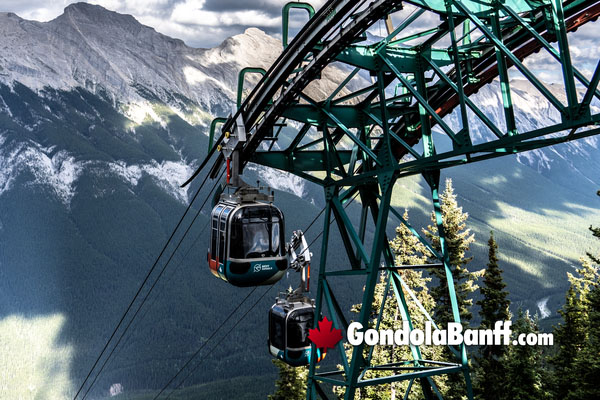
The Banff Gondola provides year-round access to summit views atop Sulphur Mountain. February frequently offers high-clarity days following cold fronts, with strong contrast between snow-covered peaks and deep blue skies.
Summit conditions can be windy and significantly colder than townsite temperatures. Proper winter gear is essential for extended outdoor viewing.
Banff Festivals & Seasonal Atmosphere in February
February often features winter-themed programming, including snow sculptures, outdoor light displays, and seasonal celebrations. The town carries a vibrant yet distinctly winter-focused energy, especially during family-day weekends and ski events.
Evenings remain cold, but slightly longer daylight hours compared to January allow for extended outdoor activity windows.
Banff Hot Springs & February Relaxation
The Banff Upper Hot Springs is particularly appealing in February's deep cold. Steam rising from the mineral pool against frozen mountain air creates a quintessential winter experience.
Indoor dining, cafés, and boutique shops provide warm contrast to outdoor activities, with reservation demand increasing around peak weekends.
Practical Considerations
Expect sustained sub-zero temperatures; insulated outerwear is mandatory.
Winter tires are essential for mountain travel.
Monitor avalanche forecasts if accessing backcountry terrain.
Book accommodations and ski services early for long weekends.
February in Banff delivers one of the most dependable winter environments of the year: stable snowpack, active ski terrain, sculpted ice landscapes, and a lively alpine atmosphere suited for visitors focused on full winter immersion.
 Banff in February